What Should I Feed My Dog
A complete food, the right amount, and a steady routine cover most dogs. Fancy extras matter far less than those three.
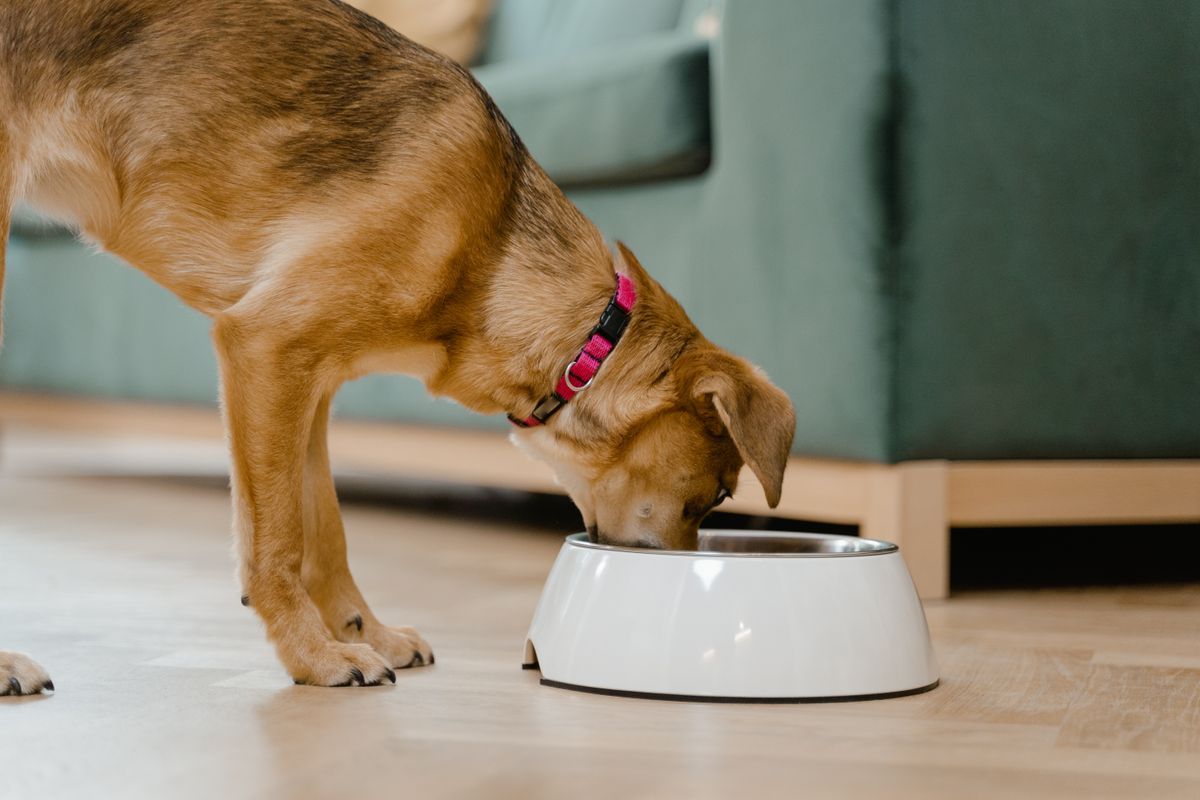
Pick a complete food
Look for the words "complete and balanced" on the label. In the United States, that statement follows the AAFCO nutrient profiles, which is the standard way to know a food covers a dog's basic needs. Pick a formula for your dog's life stage: puppy, adult, or senior. Puppy food has more energy and nutrients for growth, so adults should not eat it long-term, and puppies should not eat adult food as their main diet.
How much to feed
Start with the amount on the bag, then adjust by body condition. You should be able to feel your dog's ribs under a thin layer of fat, and see a waist when viewed from above. If the ribs are hard to feel, feed a little less. If the ribs stick out, feed a little more. Weigh the food with a measuring cup instead of guessing. Most adult dogs do well on two meals a day. Puppies need three or four smaller meals.
Keep treats small
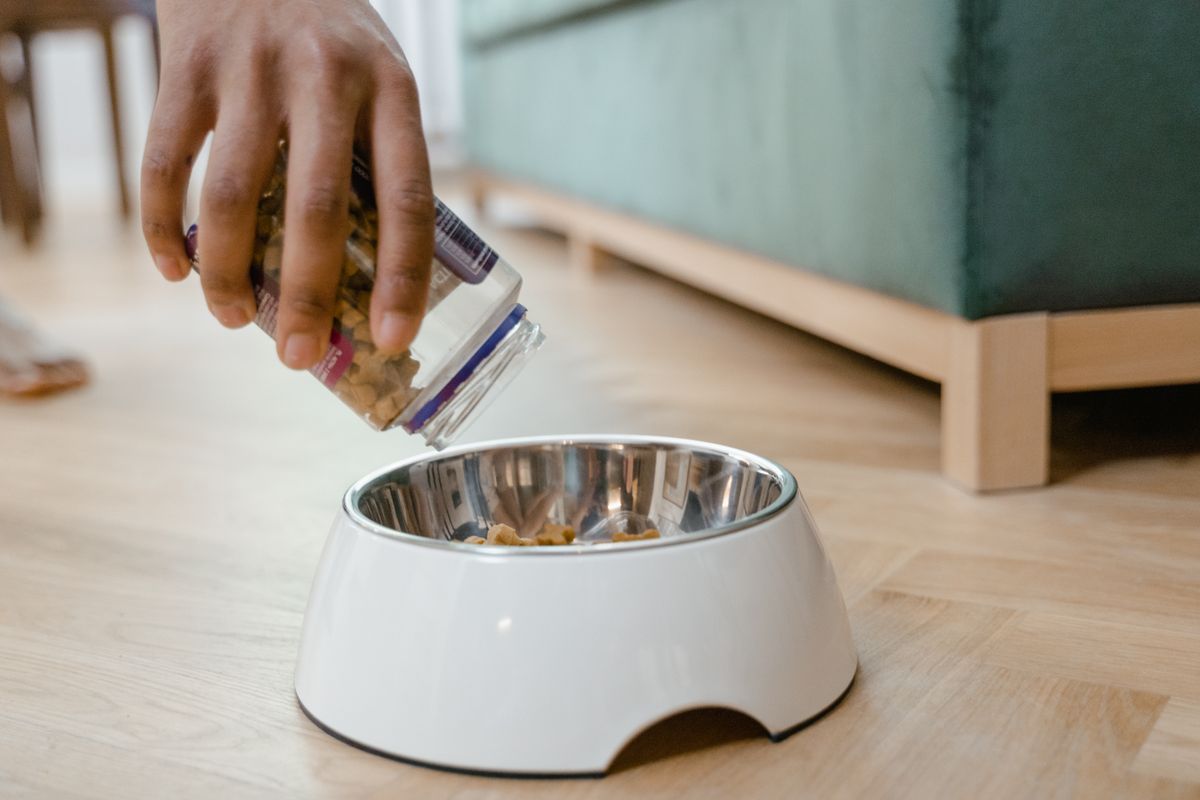
Treats should stay under about ten percent of your dog's daily calories. Why the limit matters: treats are rarely complete nutrition, so a diet heavy in treats quietly becomes an unbalanced diet. Count training treats too. If you train a lot, use part of the daily food as rewards instead of extra treats.
Water, always
Fresh water should be available all day. Wash the bowl daily. A dog that suddenly drinks much more or much less than usual is worth a veterinarian visit.
Foods to avoid
Do not feed chocolate, xylitol (also called birch sugar, often in sugar-free gum and sweets), grapes and raisins, onions and garlic, or cooked bones. Cooked bones can splinter. Rawhide chews can also be a choking risk for dogs that gulp. When in doubt about a food, leave it out.
Switch foods slowly
Change foods over about seven days: mix a little new food into the old food, and raise the share a bit each day. Why slow: a sudden switch often causes loose stools, even when the new food is fine.
Special needs
Dogs that are overweight, have allergies, or have a health condition may need a different diet. This guide does not prescribe diets. Ask your veterinarian for a feeding plan for your own dog, and follow it over any general advice here.
Related: What Should I Feed My Cat and How to Potty Train a Puppy (feeding times set the potty schedule).
Not veterinary advice: This guide is general information for healthy dogs. If your dog is sick, in pain, or suddenly behaves very differently, see a veterinarian.
Want the full guide? The New Puppy Training Guide covers potty training, crate training, socialization, and more — $9.99.