How to Potty Train a Puppy
Most puppies learn in weeks, not days. A fixed routine beats willpower, for you and for the puppy.
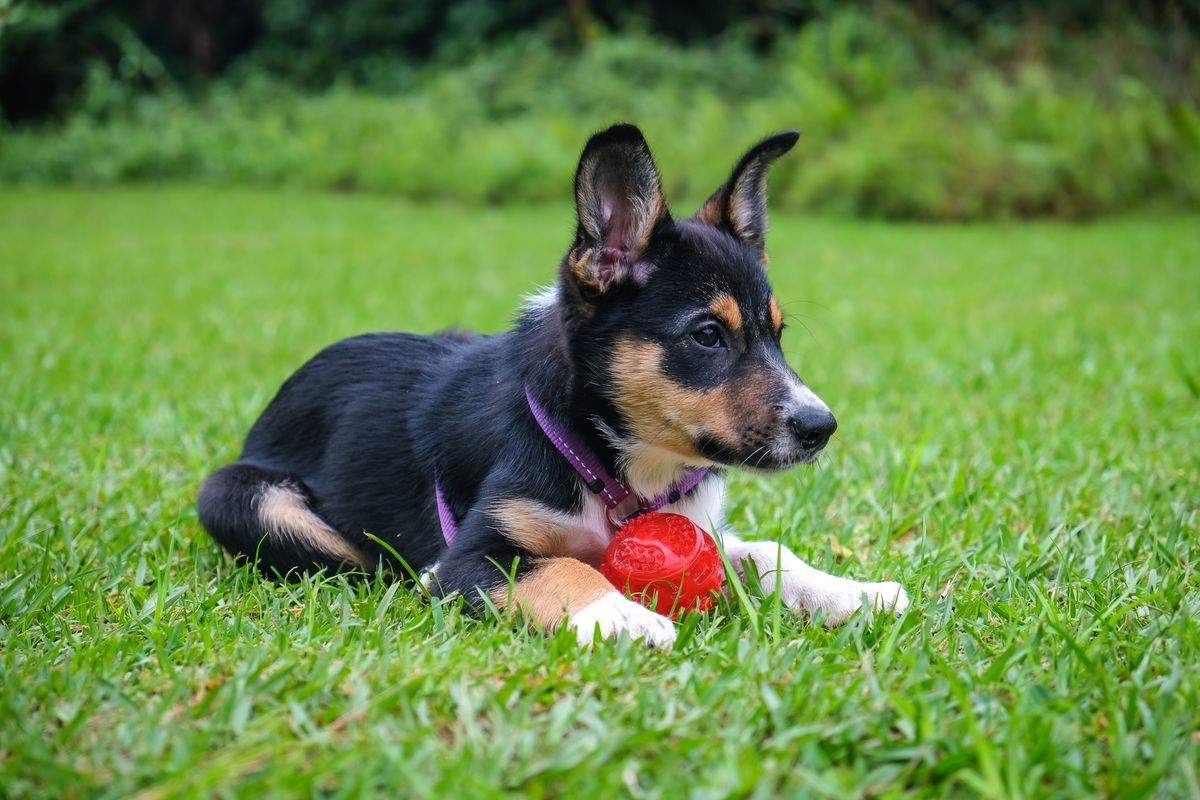
Use a schedule
Take your puppy out at the same times every day: first thing in the morning, after every meal, after play, after every nap, and right before bed. Young puppies also need a trip every one to two hours while they are awake. Why a schedule works: a puppy's bladder fills on a pattern, and regular trips catch the moment before an accident happens.
Pick one spot
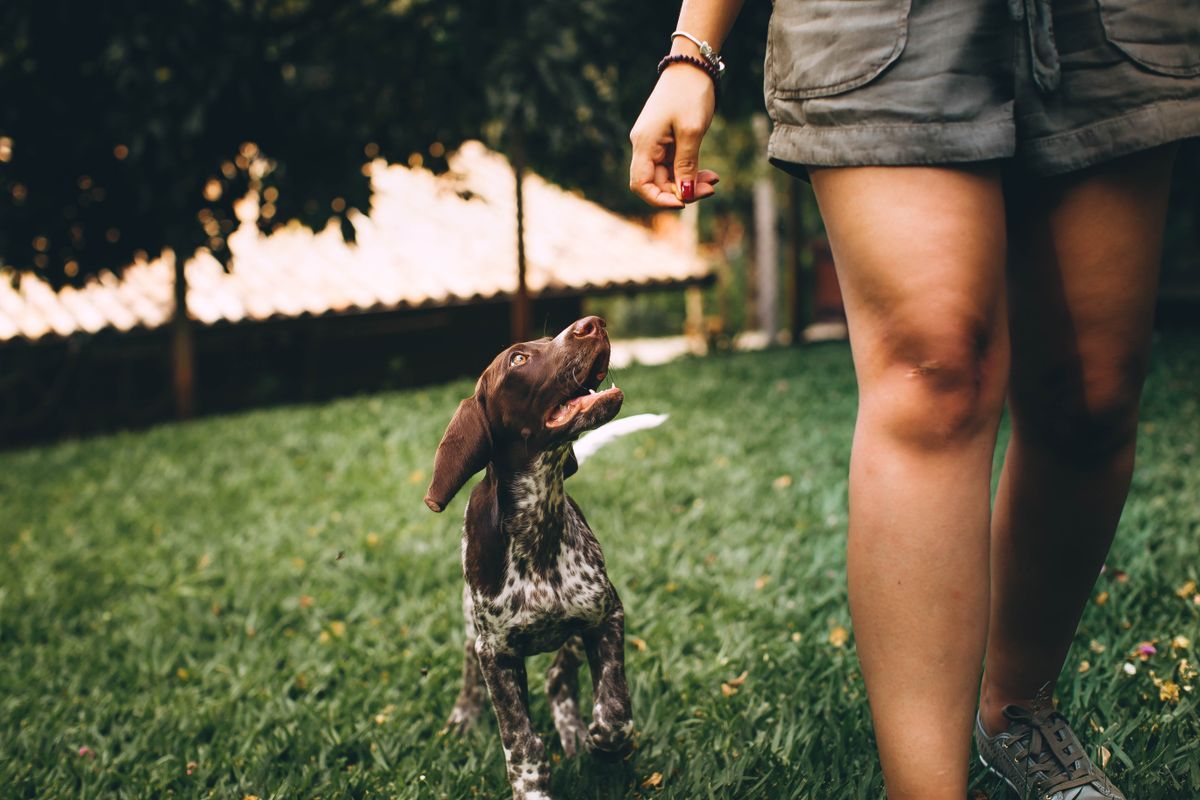
Use the same patch of grass or pavement every time. Dogs like to go where they have gone before, because the smell tells them this is the toilet. Stand still, wait, and let the puppy sniff. Do not walk around the block hoping for the best.
Reward fast, right there
The second your puppy finishes, praise calmly and give a small treat, right there on the spot. Why speed matters: a puppy connects the reward to whatever it did in the last few seconds. If you wait until you are back inside, the puppy thinks going inside earned the treat.
When accidents happen
They will happen. Do not punish, scold, or rub the puppy's nose in it. Punishment after the fact only teaches the puppy to hide from you when it needs to go, which makes training slower. If you catch the puppy mid-act, say nothing harsh, pick it up calmly, and carry it to the spot. Then clean the accident with an enzyme cleaner made for pet urine. Ordinary cleaners can leave a smell that invites the puppy to go there again.
How a crate helps
Most puppies avoid soiling their sleeping area. A crate sized so the puppy can stand, turn, and lie down — but not big enough for a toilet corner — uses that instinct. Why it helps: the crate makes the schedule easier, because a puppy that has just slept will need to go the moment it comes out. Never use the crate as punishment, and never leave a young puppy in it for hours at a time.
Nights
Take the puppy out right before bed, and expect one or two night trips for young puppies. Keep nights boring: no play, no bright lights, straight out and straight back. Night trips end on their own as the bladder grows.
How long does it take?
Many puppies are mostly reliable by four to six months old, with steady routines. Small breeds and very young puppies often take longer. A few accidents at six months do not mean training failed. It means the routine still needs to hold.
When to see a veterinarian
See a veterinarian if your puppy strains or cries while urinating, if there is blood in the urine, or if a puppy that was doing well suddenly has many accidents. This guide cannot diagnose anything. A sudden change deserves a vet visit, not a new training method.
Next steps: New Puppy Checklist: The First Week at Home and How to Socialize a Puppy.
Not veterinary advice: This guide is general information for healthy puppies. If your puppy is sick, in pain, or suddenly behaves very differently, see a veterinarian.
Want the full guide? The New Puppy Training Guide covers potty training, crate training, socialization, and more — $9.99.