New Puppy Checklist: The First Week at Home
The first week sets the tone. Prepare before pickup, keep it calm after, and the rest gets easier.
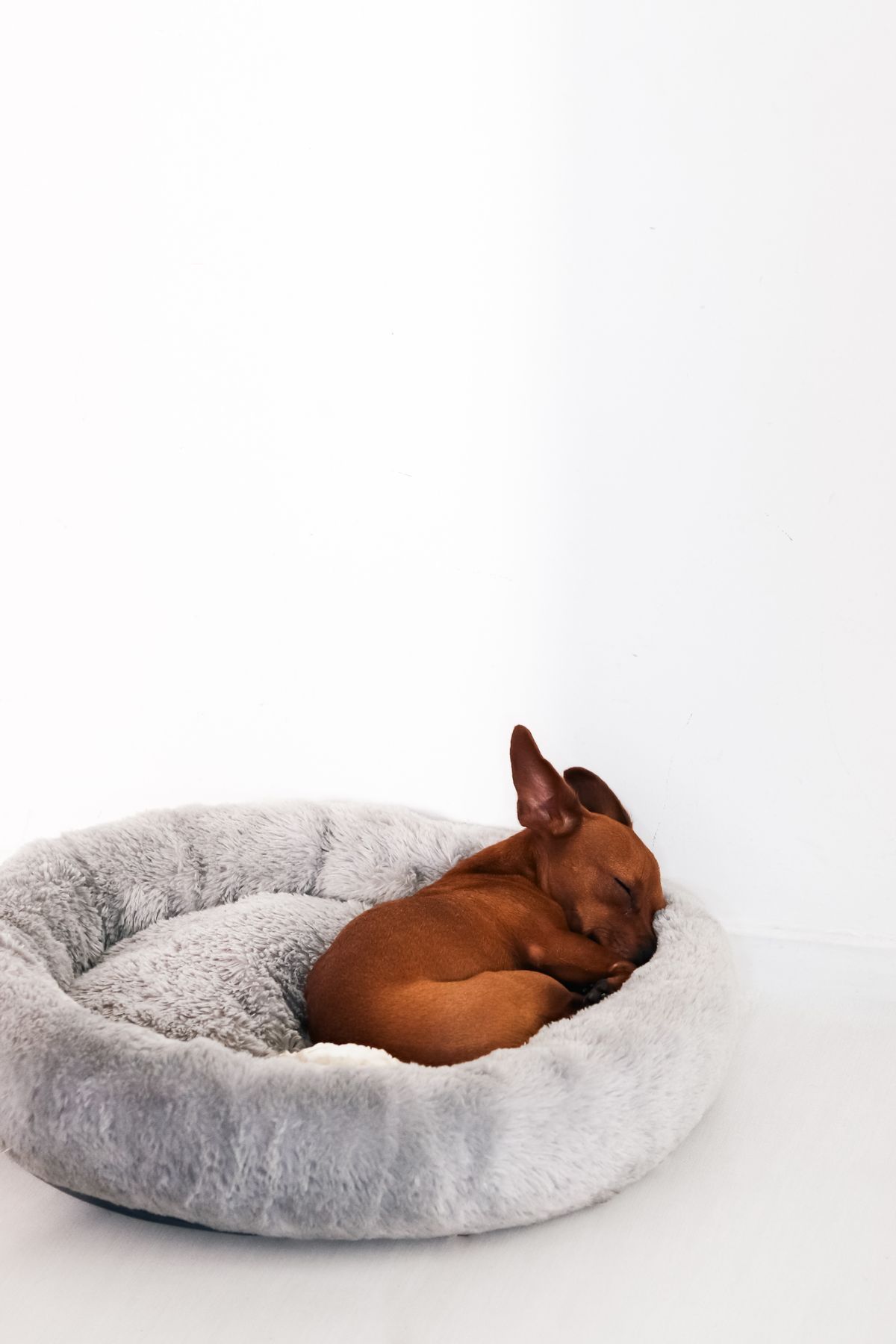
Before pickup
- Crate and bed: a crate sized for standing, turning, and lying down, plus a washable bed inside it.
- Same food: a bag of whatever the breeder or shelter was feeding. Switching food on day one causes stomach trouble on top of everything else.
- Bowls, leash, harness, collar, and ID tag with your phone number.
- Enzyme cleaner for accidents, and puppy-safe chew toys.
- Vet appointment booked for the first week.
- Puppy-proofing: cords tucked away, small swallowable objects picked up, cleaning chemicals and medicines behind closed doors.
Day one
Take the puppy to its potty spot first, before going inside. Then a quiet tour of one or two rooms, not the whole house. Let the puppy sleep. Puppies sleep eighteen to twenty hours a day, and a tired puppy is a cranky puppy. Keep visitors to a minimum on day one. Everyone wants to meet the puppy. The puppy needs to meet the house first.
The week-one routine
Fix the basics early, and everything else gets easier:
- Feeding times: three or four small meals a day at the same times. Feeding times set the potty schedule.
- Potty trips: first thing, after meals, after play, after naps, before bed, and every one to two hours while awake.
- Sleep: crate near your bed at night, so the puppy can hear you. Night trips are normal.
- Short play: five to ten minutes at a time, several times a day. End before the puppy gets wild.
- Gentle handling: touch ears, paws, and mouth briefly, with treats after. This is socialization, and it pays off at every vet visit.
- First vet visit: bring any records from the breeder or shelter, and ask about vaccinations, feeding, and safe outings.
- Name and recall: say the name, and reward the puppy for looking at you. That is the whole first lesson.
What not to do in week one
Do not take the puppy to dog parks or crowded places before your veterinarian advises it is safe. Do not punish accidents. Do not overwhelm the puppy with visitors, car rides, and new places all in one day. Do not change the food on day one. Calm and boring beats exciting and overwhelming, for the first week at least.
When to see a veterinarian sooner
Call your veterinarian promptly if the puppy refuses food for a full day, has repeated vomiting or diarrhea, is very lethargic, or strains or cries while urinating. This guide cannot diagnose anything. A new puppy that is suddenly unwell needs a vet, not a new routine.
Next steps: How to Potty Train a Puppy and How to Socialize a Puppy.
Not veterinary advice: This guide is general information for healthy puppies. If your puppy is sick, in pain, or suddenly behaves very differently, see a veterinarian.
Want the full guide? The New Puppy Training Guide covers potty training, crate training, socialization, and more — $9.99.