How to Socialize a Puppy
The early weeks shape how a puppy sees the world. Short and positive beats long and scary, every time.
Why early matters
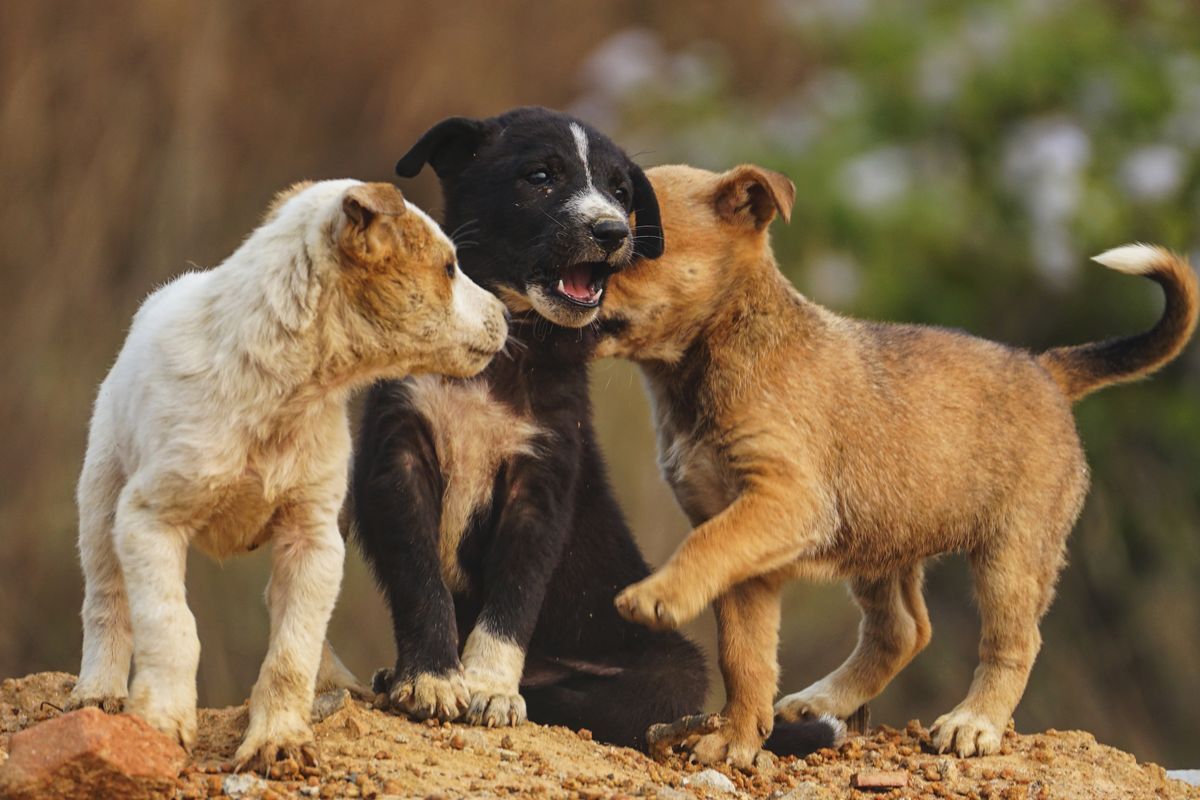
Roughly between three and fourteen weeks old, puppies are in a peak learning window for new experiences. Things met calmly in this window usually become normal for life. Things never met at all can become scary later. That is why socialization is not extra credit. It is basic training, on the same level as potty training.
Keep exposures short and positive
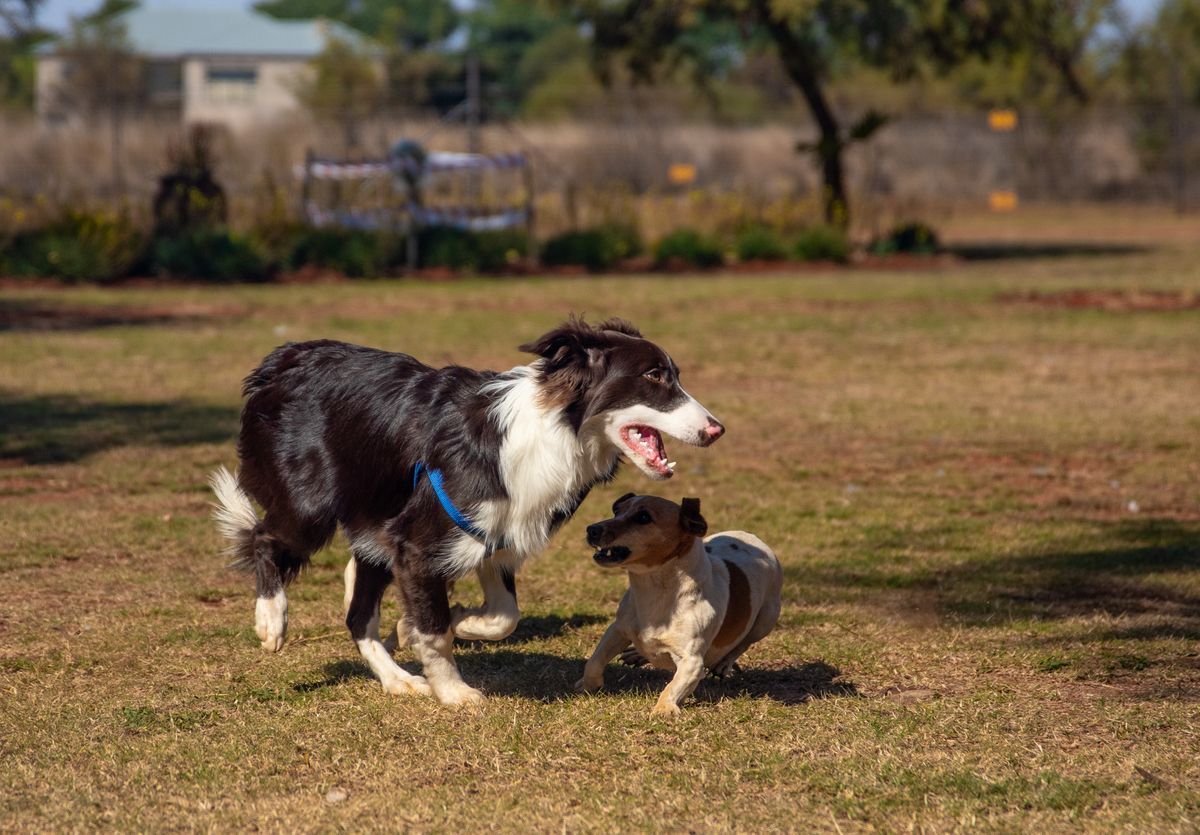
Five to ten minutes is enough for one new thing. Pair each new experience with treats, so the puppy learns that new things predict good things. A few examples:
- People: calm adults, children sitting quietly, people with hats, beards, or umbrellas. Let the puppy approach. Do not let strangers crowd it.
- Sounds: traffic from a distance, a vacuum cleaner in another room, rain on a window. Start far away, move closer only if the puppy stays relaxed.
- Surfaces: grass, gravel, wet pavement, wooden floors, a vet clinic waiting room floor.
- Vehicles: sit near a parked car with treats, then a short ride with the puppy secured.
- Handling: gently touch ears, paws, and mouth, a few seconds at a time, with treats after. This pays off at every vet visit for life.
Read stress, and back off
Cowering, tail tucked tight, yawning, lip licking, or trying to flee all mean the puppy is stressed. When you see those signs, increase the distance and end on a calm note. Why this matters: a puppy that is pushed past its limit learns that the scary thing is truly dangerous. One calm retreat teaches more than ten forced greetings.
What not to do
Do not flood the puppy: a crowded dog park on day one, a loud party, or being passed around by strangers are too much at once. Do not comfort-flood either. Calm praise is fine, but frantic petting while the puppy panics can confirm that something is wrong.
Puppy classes help
A good puppy class gives controlled meetings with other puppies and people, plus a trainer watching for stress you might miss. Choose a class that uses treats and play, not force. Ask your veterinarian about safe outings before vaccinations are complete, and follow that advice over any general guide.
Keep going after the window
Socialization does not end at fourteen weeks. Keep meeting new things through adolescence, just at a calmer pace. A puppy that only met the world once will still grow into a dog that is unsure of it.
Next steps: How to Potty Train a Puppy and New Puppy Checklist: The First Week at Home.
Not veterinary advice: This guide is general information for healthy puppies. If your puppy is sick, in pain, or suddenly behaves very differently, see a veterinarian.
Want the full guide? The New Puppy Training Guide covers potty training, crate training, socialization, and more — $9.99.