What Should I Feed My Cat
Cats need meat. Build meals around animal protein, and most of the rest takes care of itself.
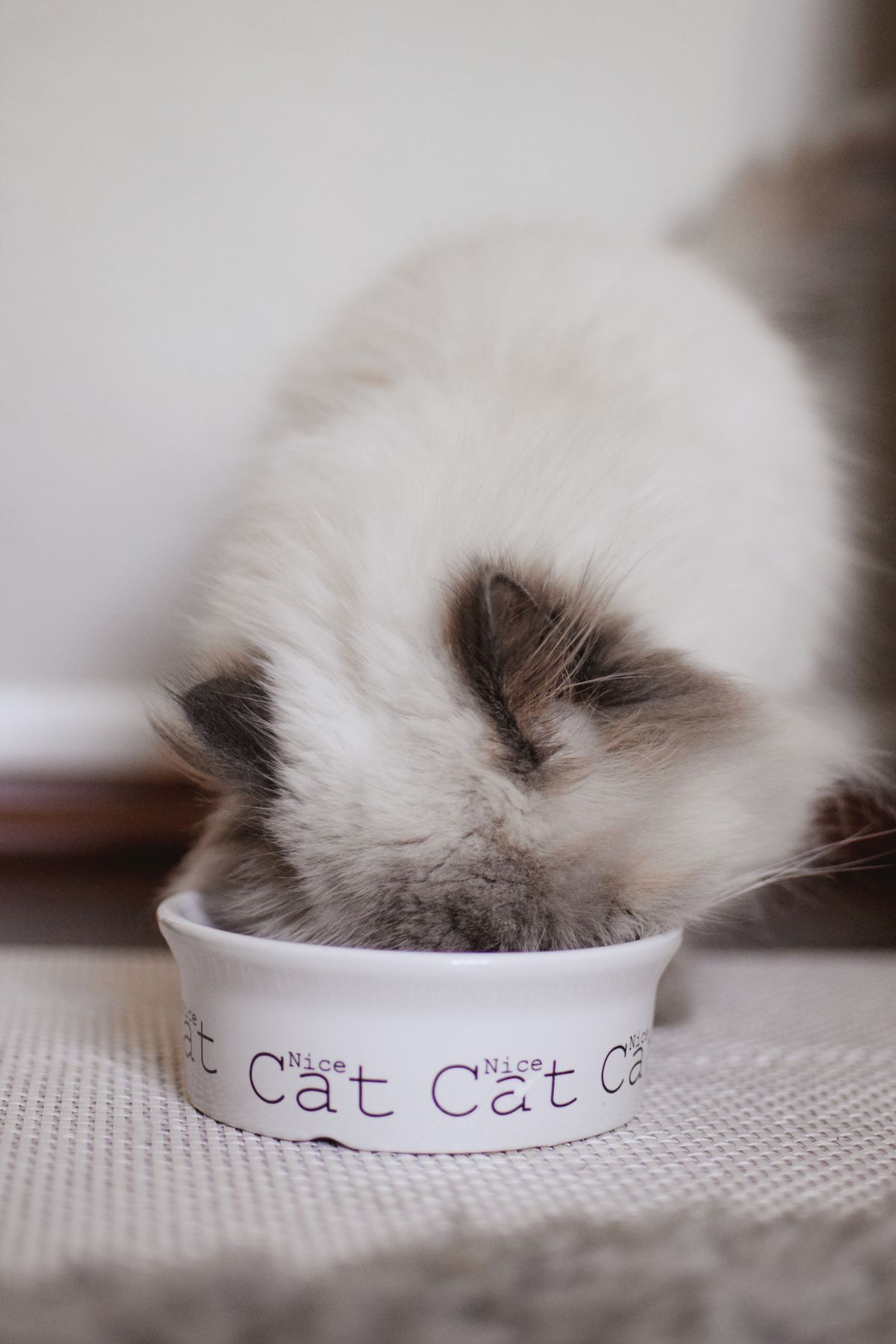
Cats are obligate carnivores
Unlike dogs, cats must get certain nutrients from animal tissue. That is why a cat cannot live well on a vegetarian diet. Look for a food labeled "complete and balanced" for your cat's life stage: kitten, adult, or senior. The label is the simplest check that the food covers basic needs.
Wet food, dry food, or both
Wet food adds water to the diet, which helps because many cats do not drink enough on their own. Dry food is fine too, costs less, and is easier to store. Many owners mix the two: wet food for one meal, dry for the other. There is no single right answer. What matters is that the food is complete, and that your cat actually eats it.
Measured meals beat free-feeding
Most adult cats do well on two measured meals a day. Free-feeding, where the bowl is always full, often leads to slow weight gain, because cats snack more than they need. Measure the food, and adjust by body condition: you should be able to feel the ribs under a thin layer of fat, with a visible waist from above.
Water matters more for cats
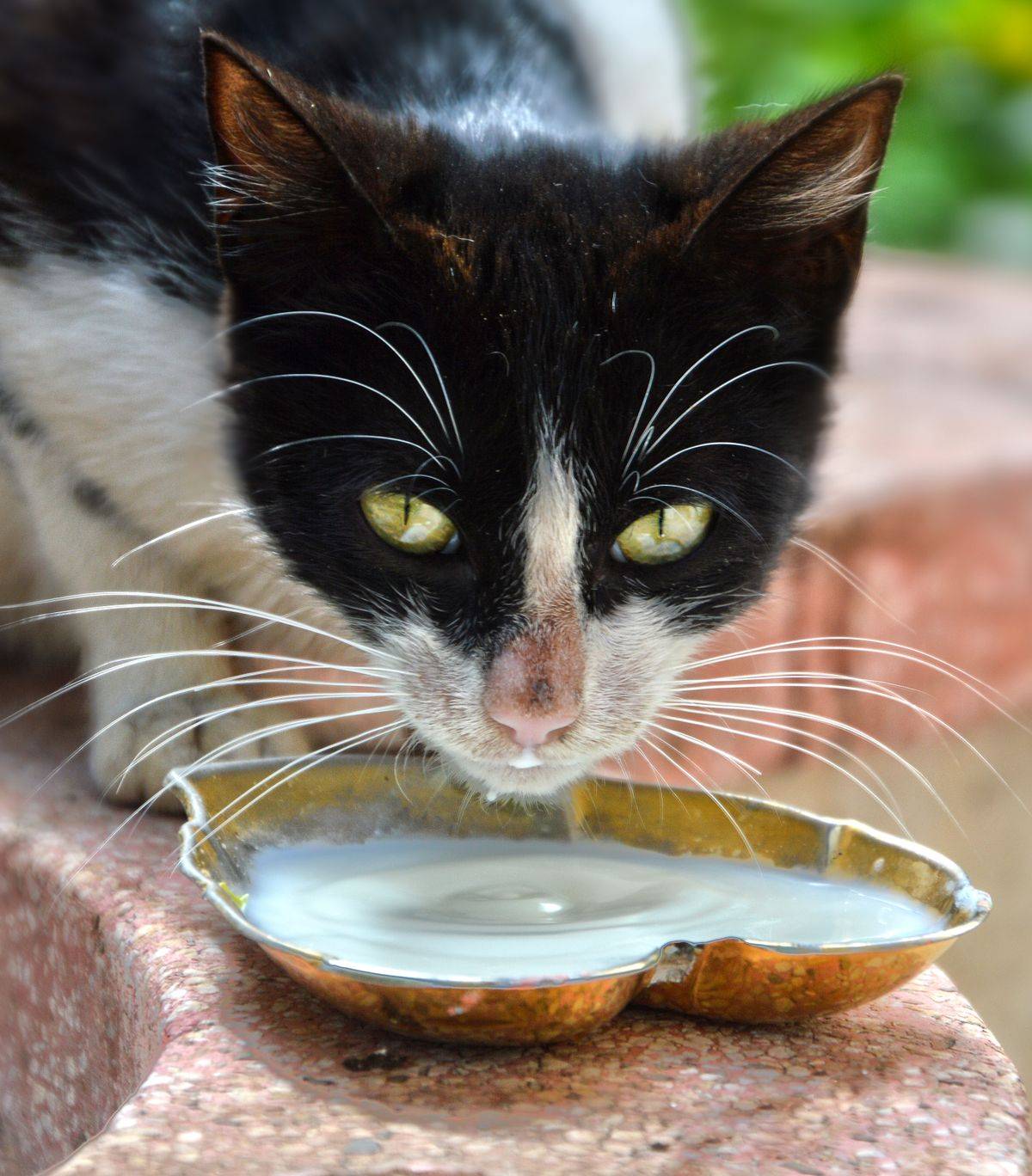
Keep fresh water available all day, away from the food bowl. Many cats prefer a wide bowl that does not touch their whiskers, or a running fountain. If your cat rarely drinks, wet food helps, and a fountain is worth trying.
Treats and foods to avoid
Keep treats under about ten percent of daily calories. Do not feed lilies of any kind: lilies are very toxic to cats, and even the pollen or vase water can be dangerous, so keep lilies out of the house entirely. Also avoid chocolate, onions and garlic, and xylitol. Many adult cats cannot digest milk well, so milk is not a good treat despite the old stereotype.
Switch foods slowly
Change foods over about seven days, mixing a little new food into the old food and raising the share gradually. A sudden switch often causes loose stools, even when the new food is fine.
Special needs
Kittens, senior cats, and cats with health conditions may need different food. This guide does not prescribe diets. Ask your veterinarian for a feeding plan for your own cat.
Related: What Should I Feed My Dog and Cat Litter Box Basics.
Not veterinary advice: This guide is general information for healthy cats. If your cat is sick, in pain, or suddenly behaves very differently, see a veterinarian.
Want the full guide? Cat Care Basics covers feeding, litter boxes, scratching, hiding, and multi-cat homes — $9.99.