Cat Litter Box Basics
Most litter problems are box problems, not cat problems. Get the box right, and most cats take care of the rest.
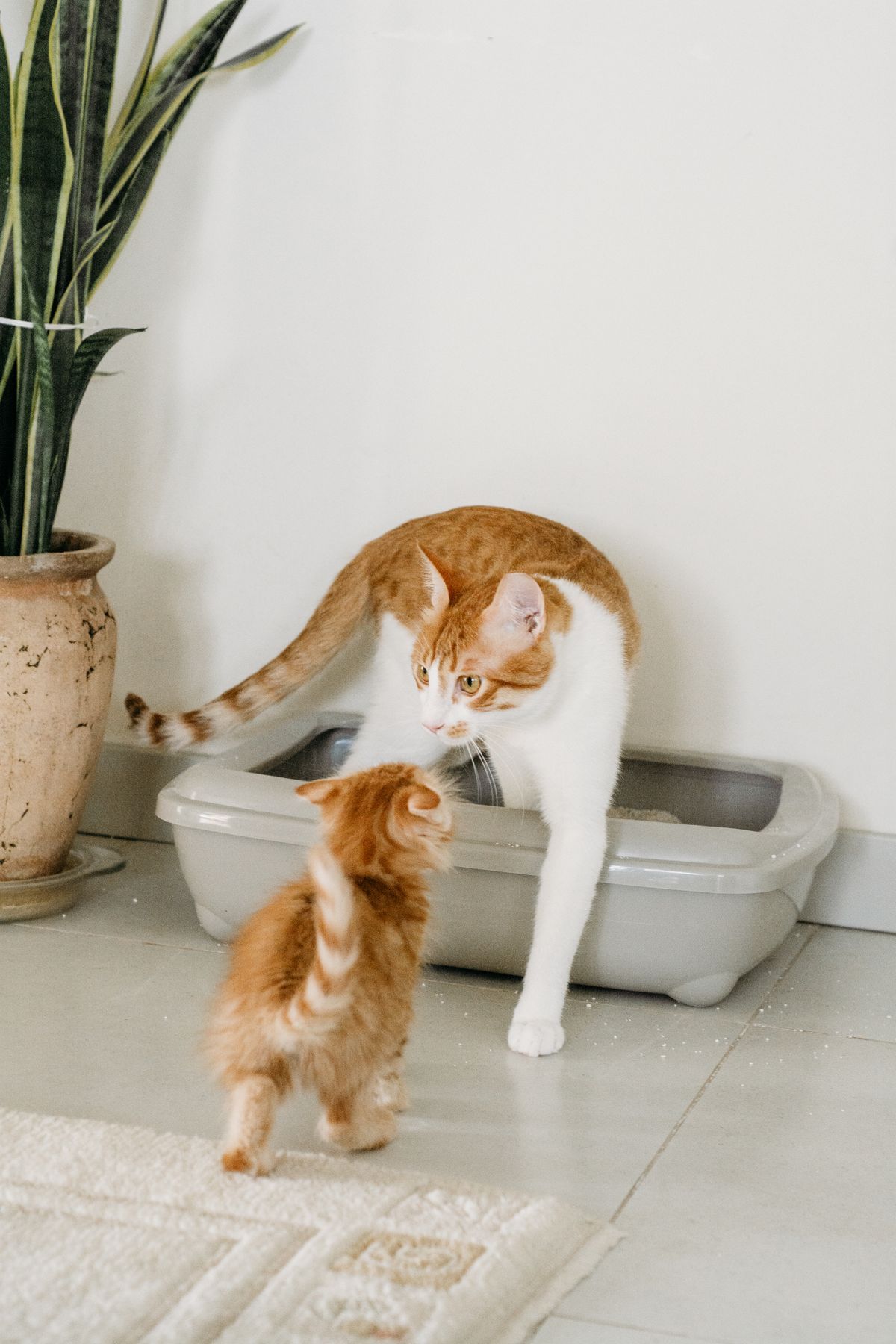
The one-plus-one rule
One box per cat, plus one extra. Two cats need three boxes. Why the extra box matters: cats do not like to queue, and a cat that finds every box occupied or dirty will find somewhere else. Spread the boxes around the house, not all in one room. Three boxes in a row count as one location to a cat.
Location matters more than the box
Put boxes in quiet, easy-to-reach spots, away from food and water bowls. A cat does not want to eat next to its toilet, and neither would you. Give the cat an escape route: a box wedged in a corner with only one way out feels like a trap, especially in multi-cat homes. Kittens and senior cats need low-sided boxes they can step into easily.
Pick a litter most cats accept
Unscented, clumping litter suits most cats. Strong perfumes that smell fine to humans often put cats off. Fill to about two to three inches deep. If you switch litter, mix the new kind into the old kind over a week, so the change is gradual.
Scoop daily, wash regularly
Scoop at least once a day. Cats are clean animals, and a dirty box is the most common reason cats go elsewhere. Empty the whole box, wash it with mild soap, dry it fully, and refill every couple of weeks, or whenever it starts to smell despite scooping. Covered versus open is a cat preference: many cats prefer open boxes, because covered boxes trap smells inside. If your cat avoids a covered box, try removing the lid before trying anything else.
If your cat stops using the box
Check the simple things first: is the box clean, is the location still quiet, did you change litter or move the box recently? Fix those before assuming a behavior problem. But see a veterinarian promptly if the change is sudden, or if the cat strains, cries, or passes blood while trying to go. This guide cannot diagnose anything. A sudden change in litter habits can be a health sign, and it deserves a vet visit, not just a new box.
Related: Why Is My Cat Hiding and Why Does My Cat Scratch Furniture.
Not veterinary advice: This guide is general information for healthy cats. If your cat is sick, in pain, or suddenly behaves very differently, see a veterinarian.
Want the full guide? Cat Care Basics covers feeding, litter boxes, scratching, hiding, and multi-cat homes — $9.99.