Why Does My Cat Scratch Furniture
Scratching is normal cat maintenance, not spite. Your cat is not punishing you. It needs to scratch, so give it a better target.

Why cats scratch
Cats scratch for three reasons. First, to shed old claw sheaths and keep claws sharp. Second, to stretch the shoulders and back after sleep. Third, to leave scent marks from glands in the paws, which is why cats return to the same spots. A cat that scratches the sofa arm is usually doing all three at once, right where it naps.
Give the right post
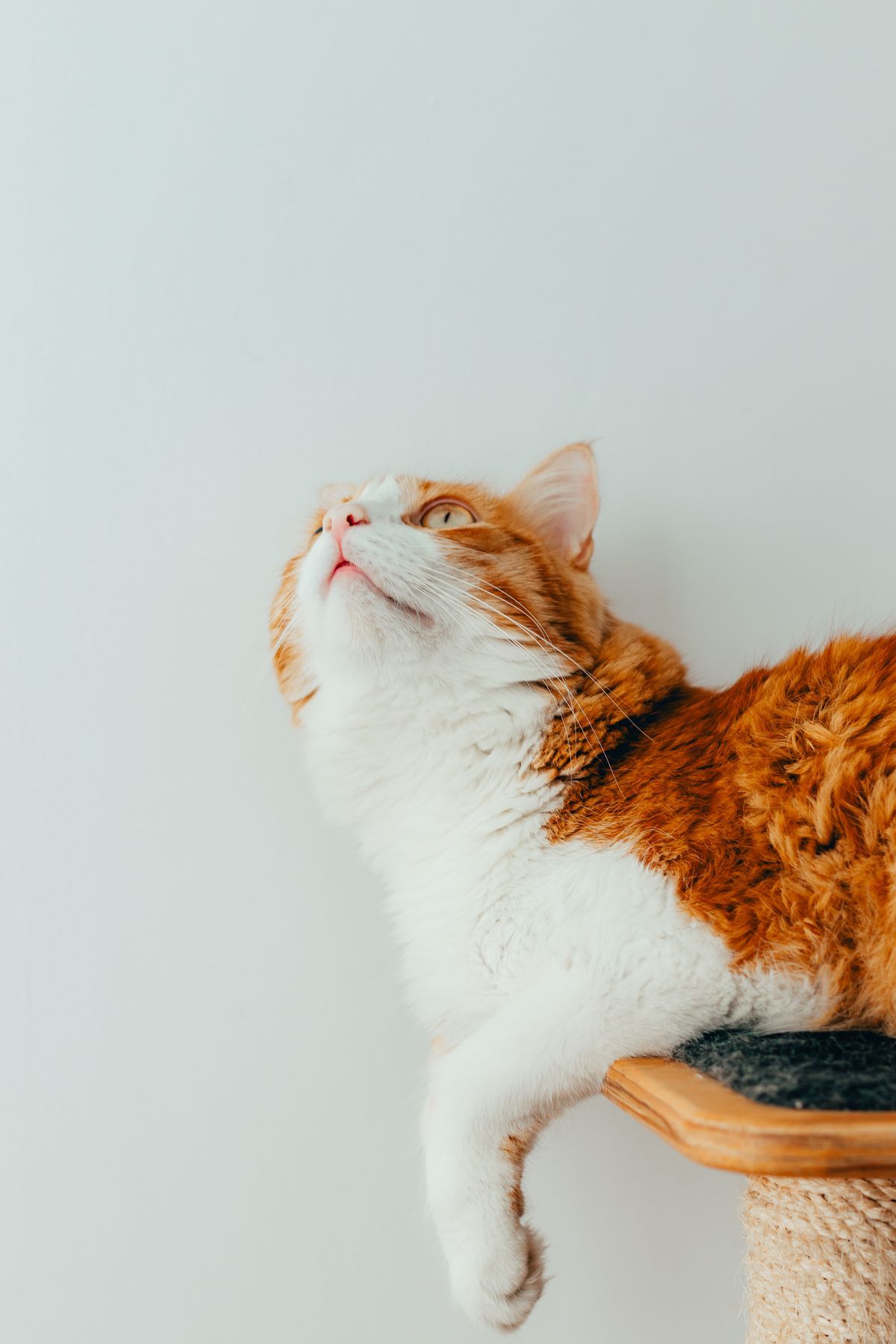
Most scratching problems are really post problems. A good post is tall enough for a full stretch, heavy enough not to wobble, and covered in a texture cats like, such as sisal rope or cardboard. Offer both a vertical post and a flat scratcher, because some cats prefer each. Put the post where the cat already scratches, or right next to its favorite sleeping spot. A post hidden in a back room will not be used.
Make the post attractive, the sofa less so
Rub a little catnip on the post, or dangle a toy on it, so the cat discovers it. At the same time, cover the scratched sofa arm with a throw, or stick temporary double-sided tape strips on it. Cats dislike sticky paws, so the sofa becomes boring while the post becomes fun. Once the cat uses the post for a few weeks, you can usually remove the cover.
Redirect, do not punish
When you see the cat scratching furniture, calmly pick it up or lure it to the post with a toy, then praise it for scratching there. Why this works: the cat learns where scratching pays off. Yelling or spraying water teaches the cat to scratch only when you are not watching.
Claw trims help
Trimming just the sharp tips every couple of weeks reduces damage. Clip only the clear tip, never the pink part inside the claw, which has blood vessels. If you are unsure, ask a veterinarian or groomer to show you once. Do not declaw. Declawing is surgery on the paws, and it is not a routine solution. Ask your veterinarian about safer options if scratching is severe.
When scratching suddenly increases
A sudden change in scratching, especially together with hiding, eating less, or avoiding the litter box, deserves a veterinarian visit. This guide cannot diagnose anything. Sudden behavior changes are worth checking, not just retraining.
Related: Cat Litter Box Basics and Why Is My Cat Hiding.
Not veterinary advice: This guide is general information for healthy cats. If your cat is sick, in pain, or suddenly behaves very differently, see a veterinarian.
Want the full guide? Cat Care Basics covers feeding, litter boxes, scratching, hiding, and multi-cat homes — $9.99.