How to Stop a Dog Pulling on the Leash
Dogs pull because the world is faster and more interesting than we are. Teach your dog that staying close pays.
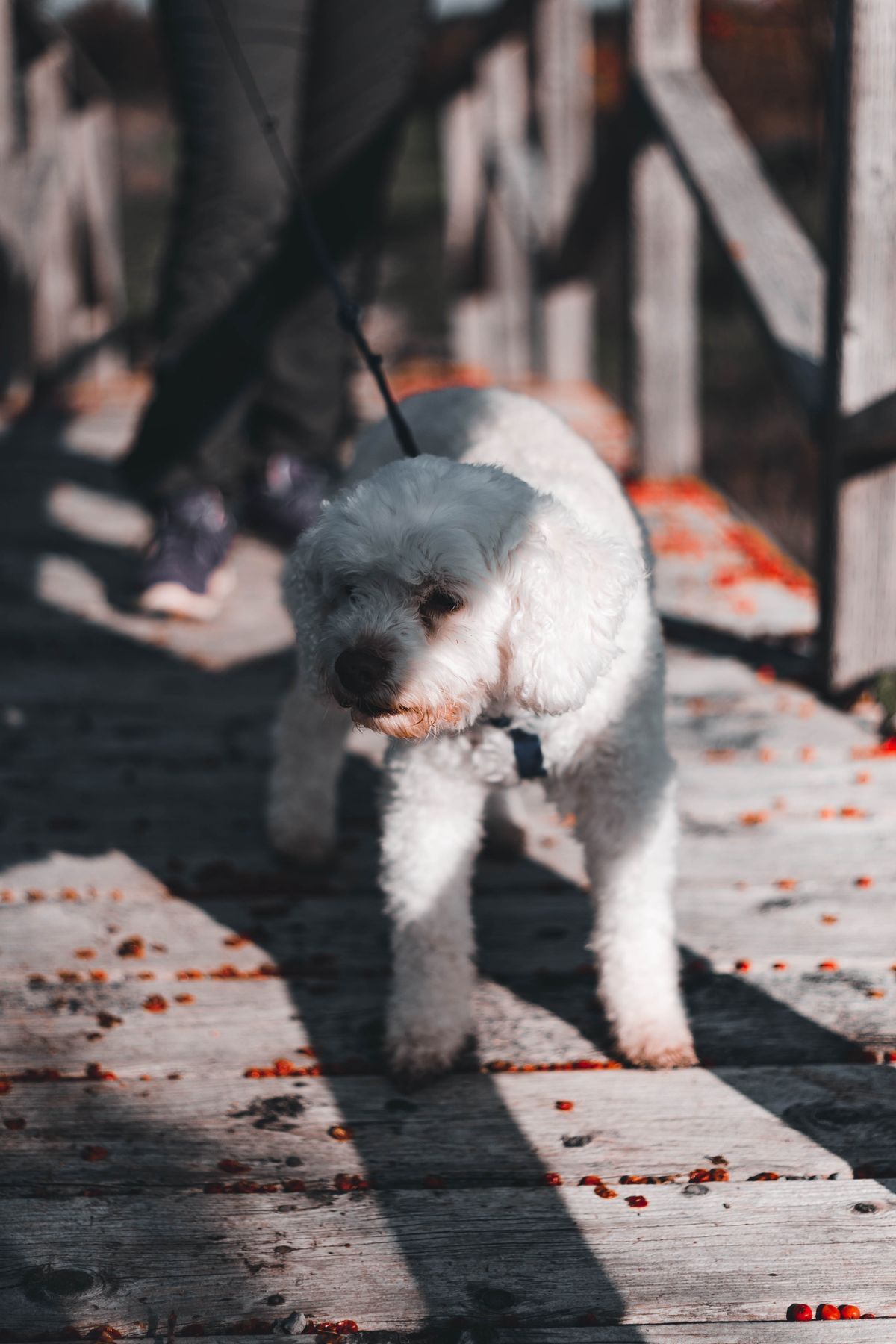
Why pulling works for the dog
Every time a dog pulls and gets to the smell, the other dog, or the park, pulling is rewarded. The dog learns a simple rule: pull, and the world moves faster. To fix pulling, you have to change that rule. Pulling must stop the walk. Slack must restart it.
Start with the right gear
Use a well-fitted harness or a flat collar, and a standard leash. A front-clip harness can help, because it turns the dog toward you when it pulls. Avoid choke and prong collars as a first resort. They can injure the neck, and they do not teach the dog anything about slack. Retractable leashes make training harder, because the dog learns that tension is normal. Use a fixed-length leash for training walks.
Be a tree
The moment the leash goes tight, stop walking. Stand still. Wait for any slack, even a small step back, then move again. Why this works: the dog learns that pulling freezes the world, and slack unfreezes it. Expect this to feel slow at first. A walk that used to take ten minutes may take twenty. That is normal, and it is the training working.
Reward your side
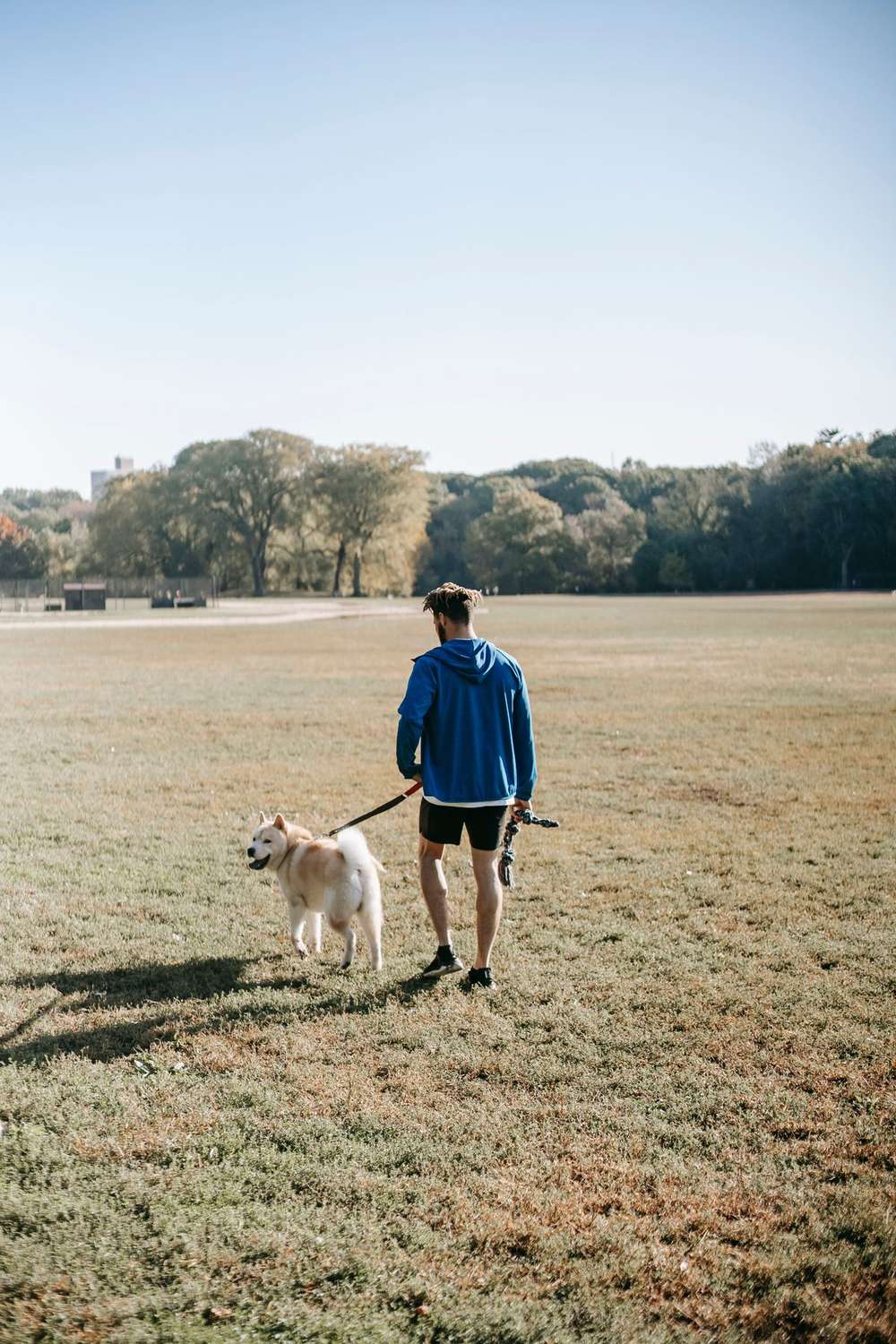
Carry small treats, and reward the dog for walking near your leg, especially when it looks up at you. Treat at your side, not in front of you, so the dog learns that the good spot is next to you. Why this works: most owners only react when the dog pulls. If the only attention comes from pulling, pulling wins. Pay the position you want, and the dog will offer it more often.
Change direction
When the dog pulls hard, turn and walk the other way, calmly. The dog learns that pulling loses the direction it wanted. Combine this with be-a-tree: stop for tight leashes, turn for strong lunges. Keep training sessions short, five to ten minutes, and give the dog separate sniff walks where it is allowed to pull a little and just be a dog. A dog that never gets to sniff will not stay calm on training walks.
Build up slowly
Practice indoors first, where nothing distracts. Then a quiet street. Then a busier street. Why slow matters: a dog that walks well in the kitchen has not learned to walk well past other dogs yet. Each new level of distraction is a new lesson, not a test the dog should already pass.
Everyone follows the same rule
If one person lets the dog pull and another does not, the dog learns that pulling sometimes works, which is the hardest habit to break. Agree on one method for the whole household. Never yank the leash. A sharp yank can hurt the dog's neck and teaches nothing about slack. If pulling stays severe despite weeks of consistent work, a certified trainer can help more than a general guide.
Related: Why Does My Dog Bark So Much and How to Socialize a Puppy.
Not veterinary advice: This guide is general information for healthy dogs. If your dog is sick, in pain, or suddenly behaves very differently, see a veterinarian.
Want the full guide? The New Puppy Training Guide covers potty training, crate training, socialization, and more — $9.99.