How to Stop a Dog Jumping on People
Jumping is a greeting, not bad manners. Dogs jump because it works: it gets faces, hands, and attention.
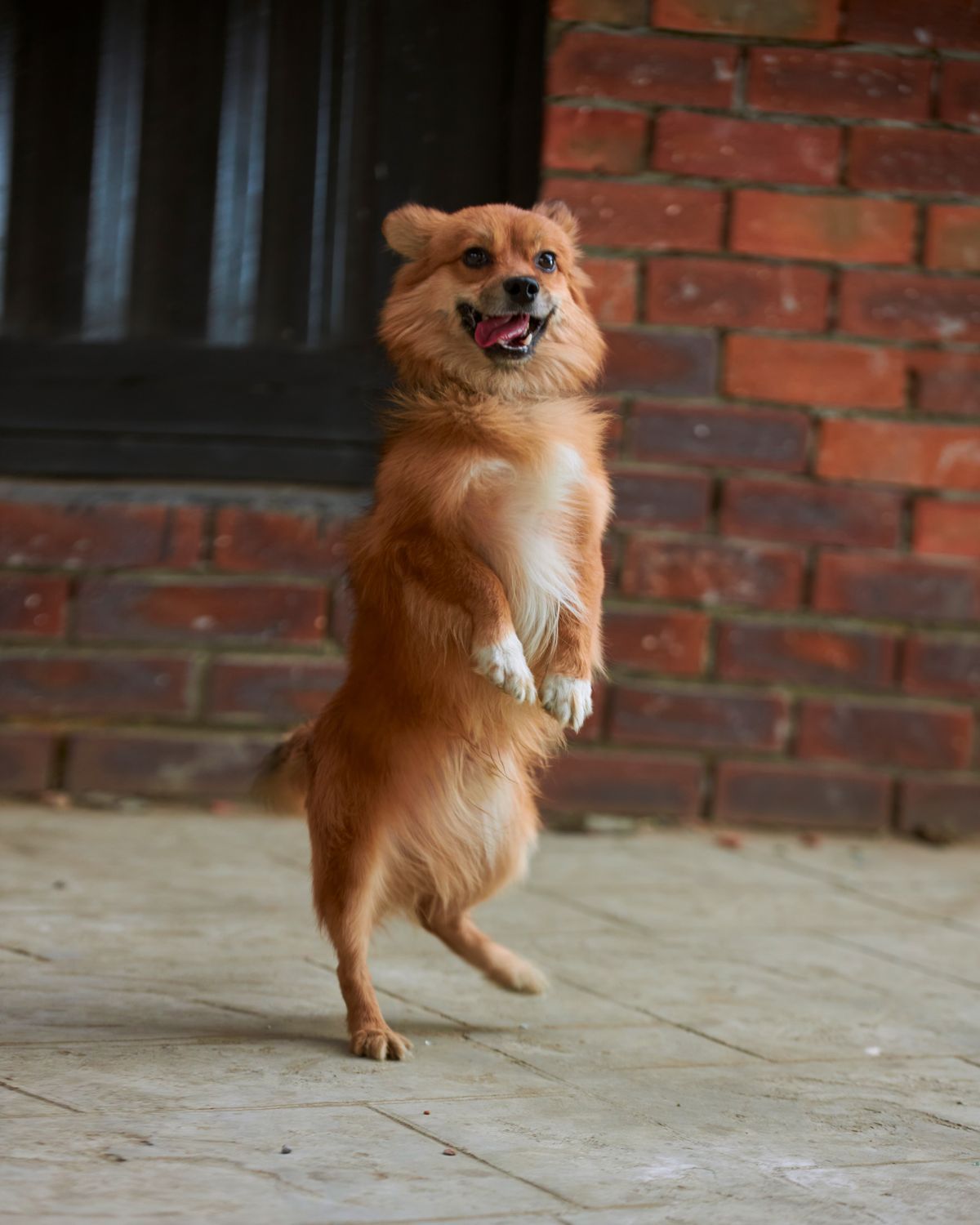
Why dogs jump
Dogs greet nose to nose, and a human face is up high. A puppy that jumps gets noticed right away, and that attention is the reward. Why this matters: any reaction can reward jumping, including pushing the dog away or shouting. From the dog’s side, both count as attention.
The rule: four paws on the floor
Reward the dog only when all four paws are on the floor. The moment paws leave the ground, turn sideways, fold your arms, and look away. Be boring. Wait for the paws to land, then praise calmly and offer a treat low down, near the floor. Why low treats help: a treat held high pulls the dog up again.
Teach a sit to greet
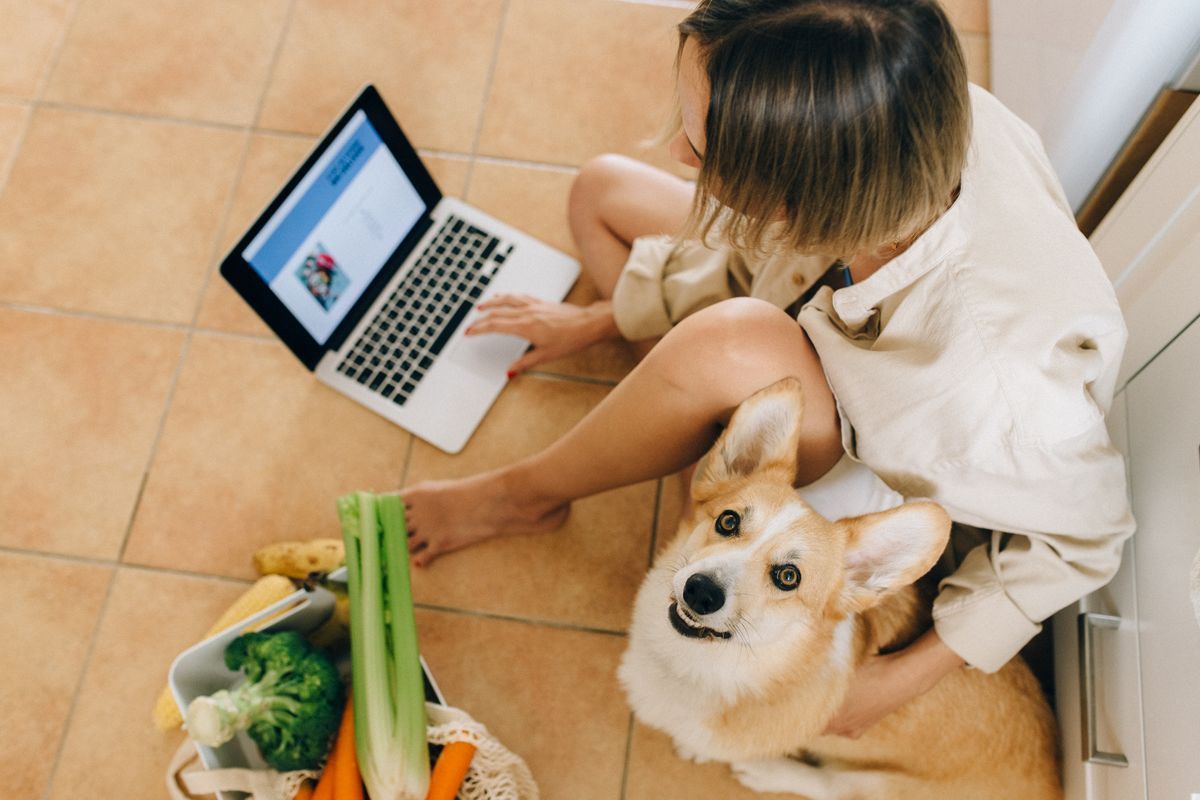
Ask for a sit before any greeting, and reward the sit, not the jump. Practice with family first, then with visitors. If the dog breaks the sit and jumps, the visitor turns away again. The dog learns fast: sitting opens the door to attention, jumping closes it.
Practice at the door
Doorbells and arrivals are the hardest moments, because excitement is already high. Practice with a helper: ring the bell, ask for a sit, open the door a crack. If the dog jumps, close the door and try again. Short, calm repetitions beat one long frustrating session. A dog that walks calmly on a leash is easier to manage at the door, so keep up leash manners too.
Guests and kids
Tell every visitor the rule before they come in: ignore the dog until all four paws are down, then greet calmly. With children, keep greetings short and supervised, and keep the dog on a leash if excitement runs high. Kids often reward jumping without meaning to, by squealing and waving their hands.
What not to do
Do not knee the dog, step on its toes, or shout. All of these are attention, and some are scary enough to make the problem worse. The other mistake is inconsistency: if one person allows jumping and the rest do not, the dog learns that jumping sometimes works, and sometimes is enough to keep it going.
Next steps: How to Teach a Dog to Come When Called and How to Stop a Dog Pulling on the Leash.
Not veterinary advice: This guide is general information for healthy dogs. If your dog is sick, in pain, or suddenly behaves very differently, see a veterinarian.
Want the full guide? The New Puppy Training Guide covers potty training, crate training, socialization, and more — $9.99.