Best Dog Breeds for Apartments
Apartment dogs need calm indoors, not small bodies. Energy and noise matter more than size.
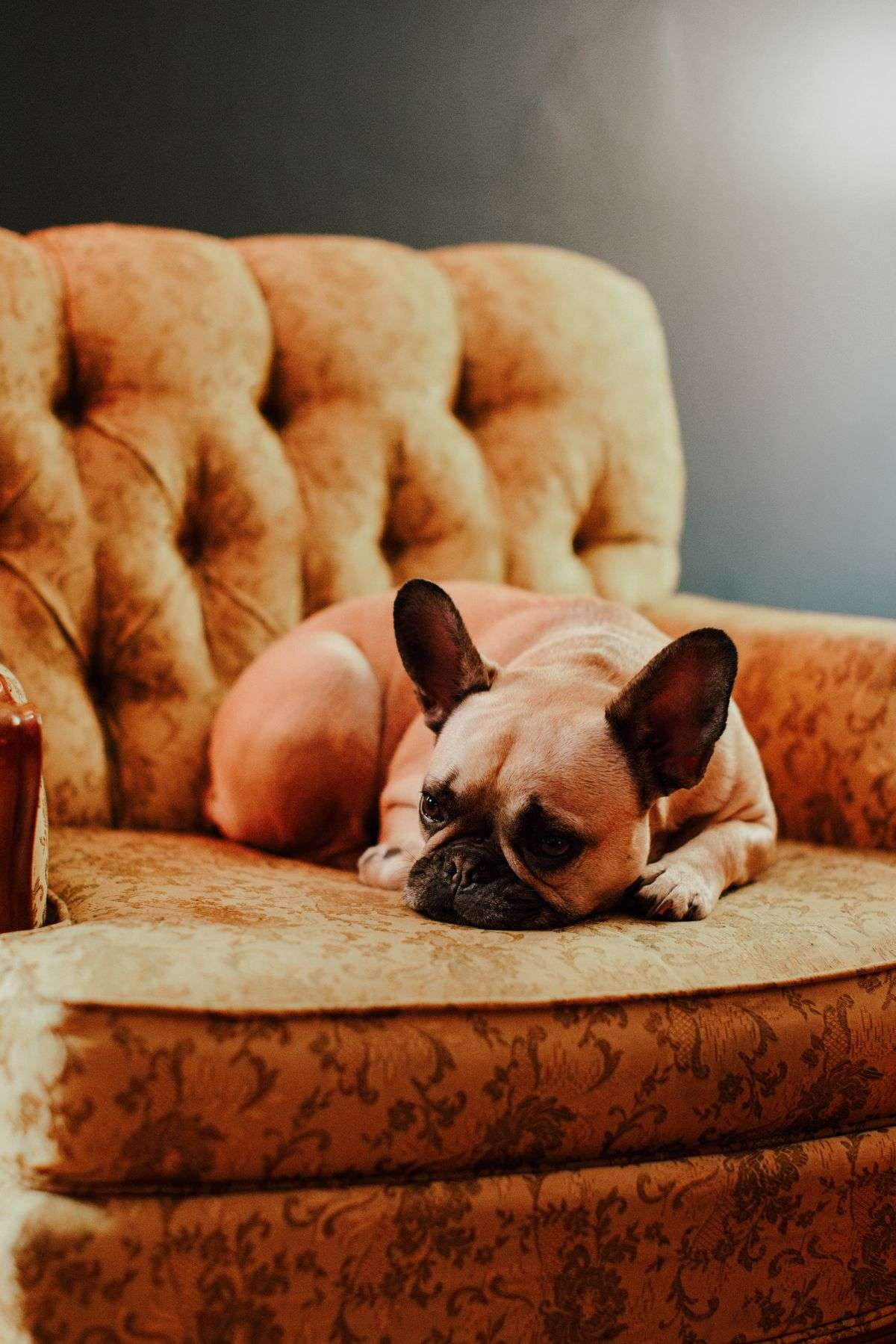
What suits apartment life
Three traits matter most: calm behavior indoors, moderate exercise needs, and a lower tendency to bark at every sound. Comfort with elevators, hallways, and strangers matters too. A dog that settles quickly after a walk is worth more than a dog that simply fits in a small room.
Breeds that often do well
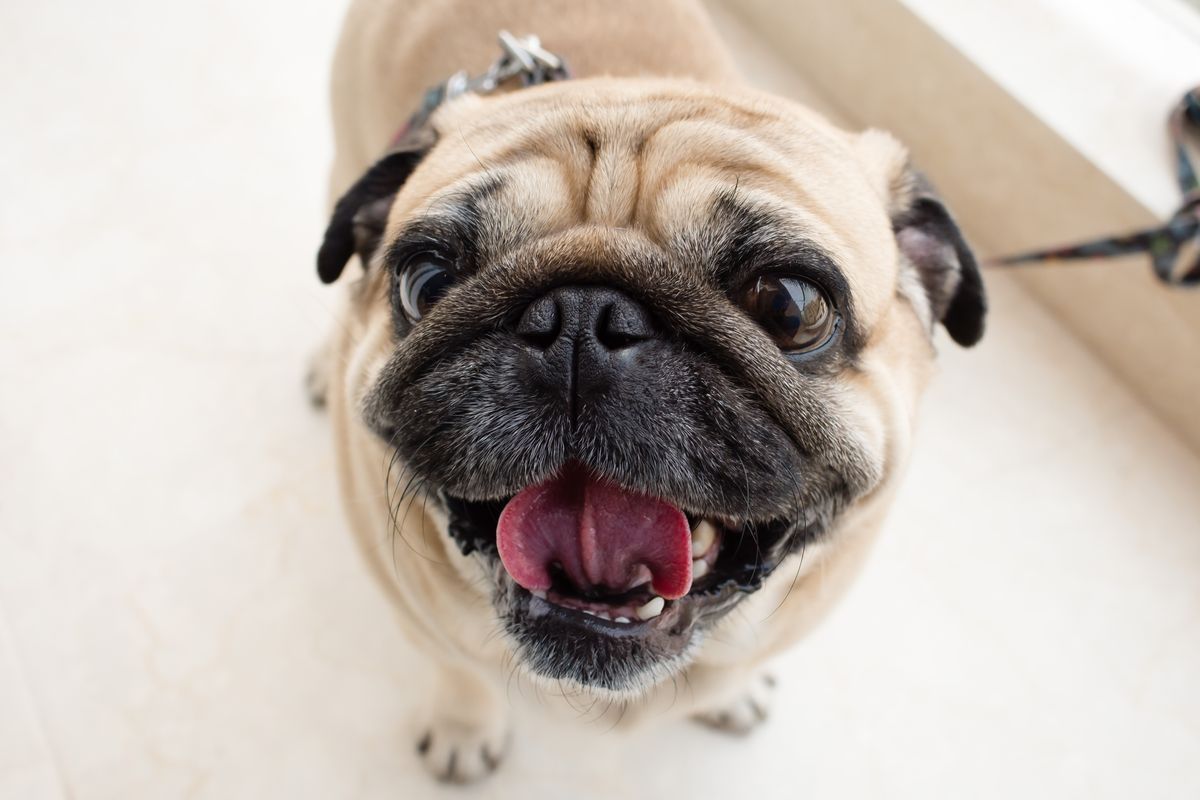
- Cavalier King Charles Spaniel: gentle, affectionate, and happy with moderate walks.
- French Bulldog: compact, calm indoors, and usually quiet.
- Greyhound: surprisingly lazy at home despite the racing past.
- Pug: sociable and low-energy, though watch weight.
- Shih Tzu: small, calm, and bred for companionship.
- Bichon Frise: cheerful and adaptable, with regular grooming needs.
- Boston Terrier: friendly, compact, and usually moderate in energy.
- Dachshund: small and adaptable, with a voice to manage.
Every dog is an individual. Breed tendencies are a starting point, not a promise — meet the actual dog before deciding.
Size is not the whole story
A calm big dog can be a better apartment neighbor than a hyper small one. A tired dog is a quiet dog, whatever its size. Daily walks and play matter more than square footage.
Apartment manners to teach
Practice hallway greetings, calm elevator rides, and alone time from the start. Dogs that panic when left alone disturb neighbors fast, so build calm alone time early. If barking becomes a problem, see Why Does My Dog Bark So Much.
Before you decide
Check building rules first: some places restrict breeds or sizes. Then meet the individual dog, and plan real daily exercise. The best apartment dog is the one whose needs you can meet every day, not just on weekends. If you are still choosing, start with How to Choose the Right Dog Breed for Your Home.
Next steps: How to Choose the Right Dog Breed for Your Home and Why Does My Dog Bark So Much.
Not veterinary advice: This guide is general information for healthy dogs. If your dog is sick, in pain, or suddenly behaves very differently, see a veterinarian.