Separation Anxiety in Dogs
Some dogs panic when left alone. It is distress, not spite — and punishment makes it worse.
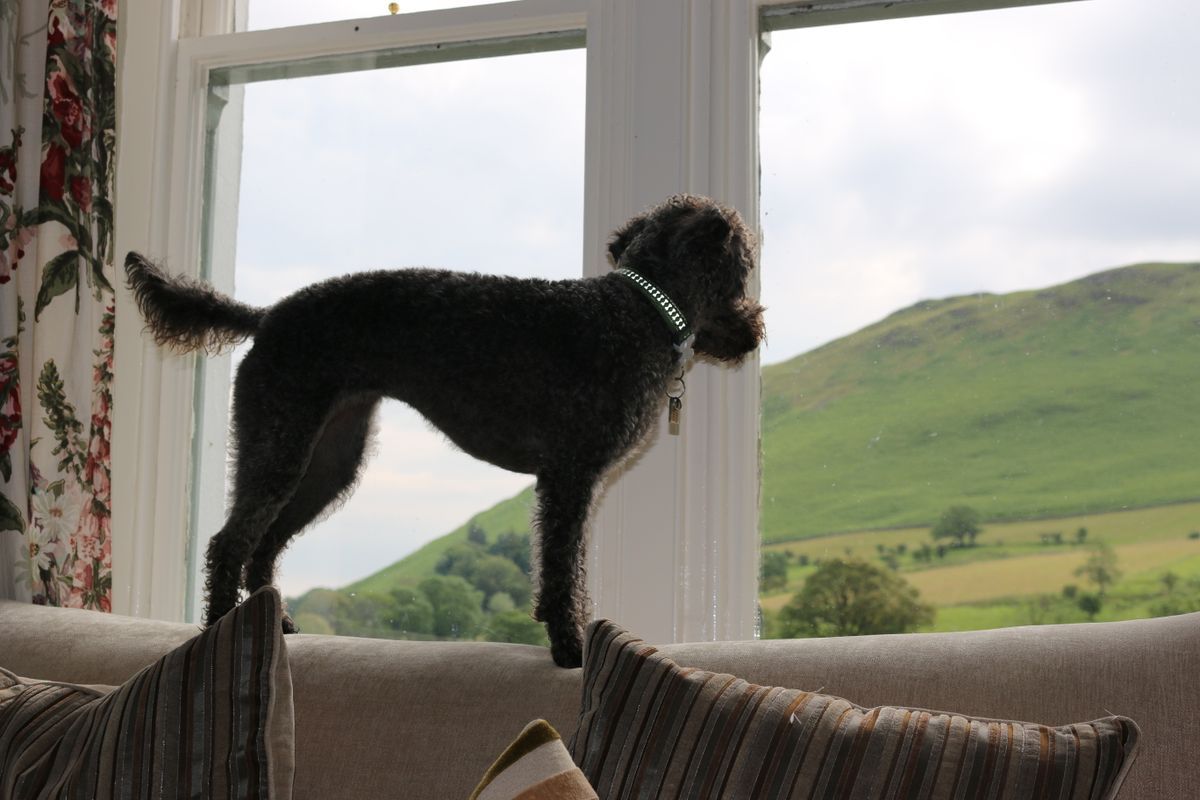
What it looks like
Common signs: barking or howling soon after you leave, scratching or chewing near doors and windows, toileting indoors after the dog is house-trained, drooling, pacing, or shadowing you from room to room. One sign alone does not prove anxiety. Look for a pattern that starts when you leave and stops when you return.
Calm departures and arrivals
Keep goodbyes short and boring: no long speeches, no big hugs at the door. The same goes for arrivals: greet the dog calmly once it has settled, not the second you walk in. Why calm matters: a big emotional farewell teaches the dog that your leaving is a big event.
Build up slowly
Practice absences in tiny steps. Step out for a few seconds, come back before the dog panics, and build up over days and weeks. Vary your departure cues too: pick up your keys or put on shoes, then sit back down. Why this helps: the dog stops treating every cue as a signal that you are leaving for hours.
Give the dog something to do

Leave a stuffed food toy or a long-lasting chew as you go. It gives the dog a job for the first minutes, which are usually the hardest. A tired dog also settles better, so a good walk or play session before you leave helps.
The crate question
A crate only helps if the dog already loves it. Never lock a panicking dog in a crate: a distressed dog can hurt itself trying to escape. If your dog is not crate-comfortable yet, see Crate Training a Puppy and build that comfort first, with the door open.
What not to do
Do not punish destruction or messes found after you return. The dog cannot connect your anger to something it did hours ago; it only learns that your return is scary. Do not get a second dog as a fix either: the new dog may copy the anxiety, and then you have two distressed dogs.
When to get help
If the distress starts suddenly, does not improve with gradual practice, or gets worse, see a veterinarian promptly. A vet can check whether pain or illness plays a role. A qualified trainer or behavior professional can then build a step-by-step plan for your dog.
Next steps: Crate Training a Puppy and Why Does My Dog Bark So Much.
Not veterinary advice: This guide is general information only. If the behavior starts suddenly, does not improve, or gets worse, see a veterinarian promptly.
Want the full guide? The New Puppy Training Guide covers potty training, crate training, socialization, and more — $9.99.