Why Does My Cat Bite
A bite is a message. Cats bite when playing, when overstimulated, when afraid, or when in pain. The job is to read which one.
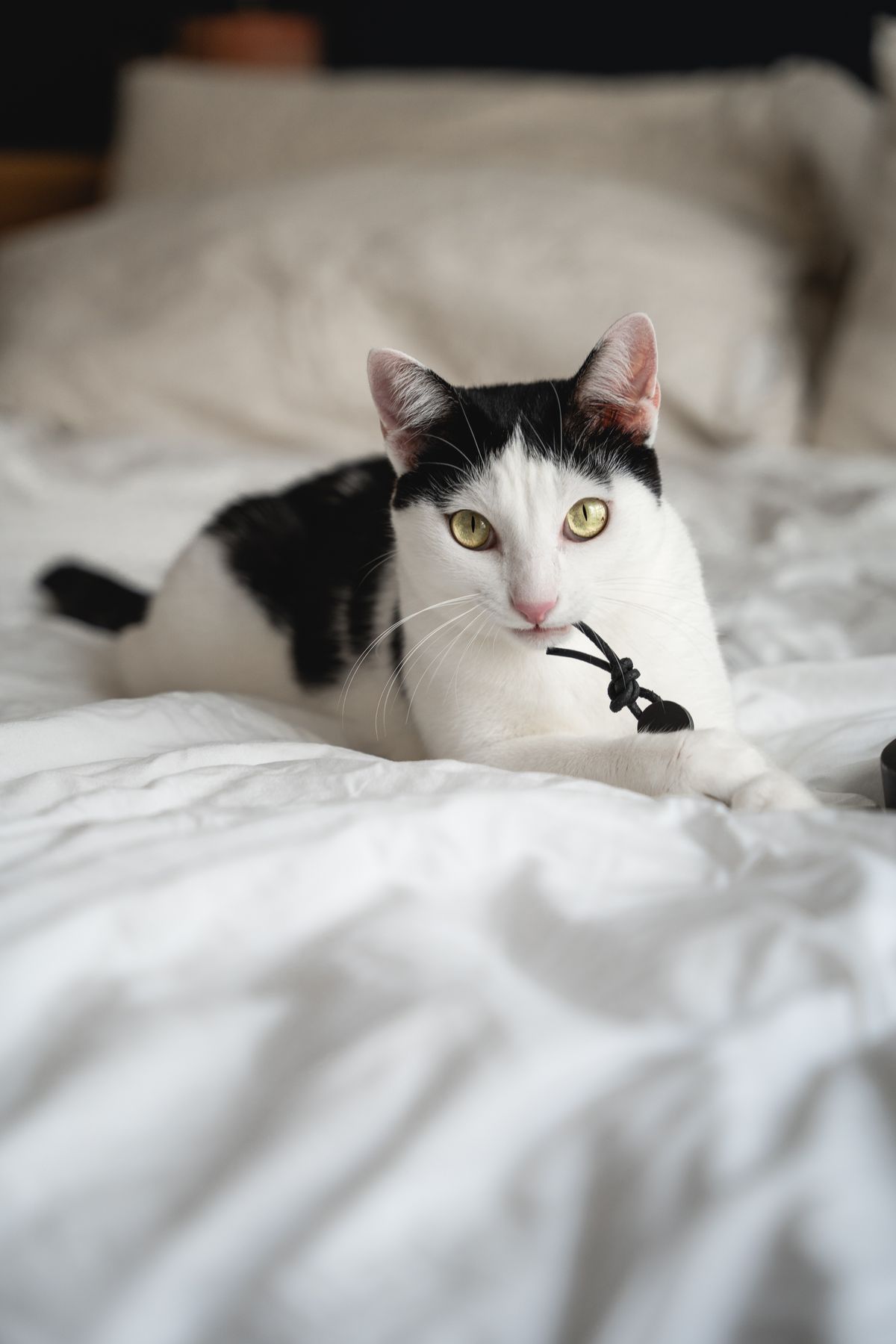
Play biting
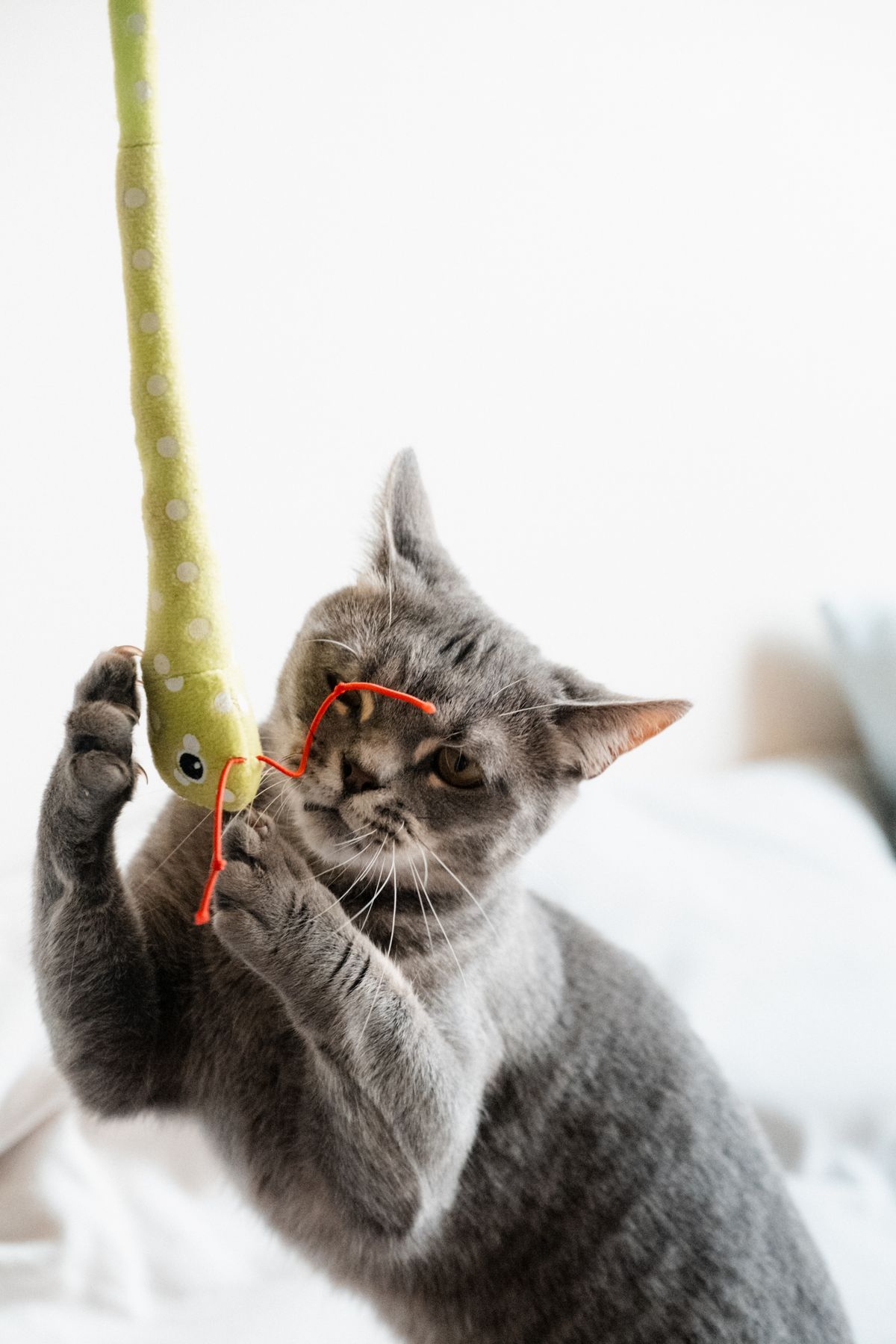
Kittens and young cats bite hands during play because hands move like prey. Never play with your hands: use wand toys and balls instead. If teeth touch skin, freeze for a second, then redirect to a toy. Pulling away fast turns your hand into better prey.
Overstimulation
Some cats enjoy petting, then suddenly bite. Watch for warnings: tail flicking, skin rippling along the back, ears flattening, or a sudden stillness. Stop petting before the bite, not after. Learn your cat’s limit — for many cats it is a few strokes, and that is normal.
Fear biting
A cornered cat bites to escape. Never corner a cat, grab it suddenly, or force handling. Let the cat come to you, and give it a way out of every interaction. A cat that can leave rarely needs to bite.
Pain biting
A cat that suddenly bites when touched in one place, or an older cat that starts biting out of nowhere, may be in pain. This is especially true for senior cats: see Senior Cat Care Basics for what changes with age, and get a vet check rather than guessing.
What not to do
Never hit, shout at, or punish a biting cat. Punishment teaches fear, and a fearful cat bites more, not less. Spray bottles and scruffing belong in the past. Calm, consistent redirection works; intimidation does not.
When to get help
If biting starts suddenly, happens often, or gets worse, see a veterinarian promptly. A vet can check for pain or illness before you assume it is purely behavioral.
Related: How to Introduce a Cat to a Dog and Why Is My Cat Hiding.
Not veterinary advice: This guide is general information only. If the behavior starts suddenly, does not improve, or gets worse, see a veterinarian promptly.
Want the full guide? Cat Care Basics covers feeding, litter boxes, scratching, hiding, and multi-cat homes — $9.99.